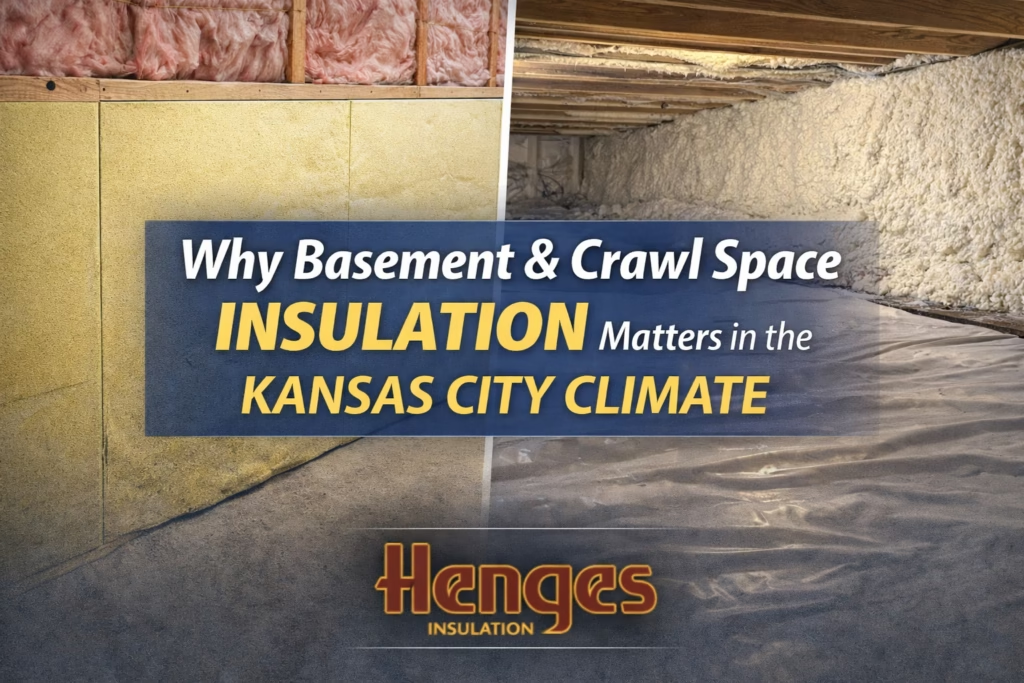
When homeowners think about insulation, they usually focus on the attic — but what’s beneath your home is just as important.
Your basement or crawl space plays a major role in your home’s comfort, air quality, and energy efficiency. If these areas are poorly insulated, they can allow cold air, moisture, and drafts to enter your home — driving up energy bills and creating uncomfortable living conditions.
At Henges Insulation, we often find that insulating below your home is one of the most overlooked — yet impactful — upgrades for Kansas City homeowners.
Why Basement & Crawl Space Insulation Is Critical in Kansas City
Kansas City’s climate creates the perfect conditions for energy loss and moisture issues:
-
Cold winters cause heat to escape through uninsulated floors
-
Humid summers introduce moisture into crawl spaces
-
Seasonal temperature swings stress your home’s structure
Without proper insulation, your home is exposed from below — making it harder to maintain consistent indoor temperatures.
How Basements & Crawl Spaces Affect Your Entire Home
Many homeowners don’t realize that air from the basement or crawl space rises into the rest of the home — a concept known as the stack effect.
This means:
-
Cold air from below moves upward in winter
-
Moist air rises into living spaces in summer
-
Poor insulation impacts your entire home — not just the lower level
Top Benefits of Basement & Crawl Space Insulation
1. Lower Energy Bills
Insulating below your home reduces heat loss through floors, allowing your HVAC system to run more efficiently.
👉 Homeowners can see 15–20% energy savings when insulation is properly installed.
2. Warmer Floors in Winter
Cold floors are one of the biggest complaints in Kansas City homes. Insulation creates a barrier that keeps warmth inside — making your home noticeably more comfortable.
3. Moisture and Mold Prevention
Crawl spaces are especially vulnerable to moisture buildup, which can lead to:
-
Mold growth
-
Wood rot
-
Poor indoor air quality
Proper insulation — combined with vapor barriers — helps control humidity and protect your home’s structure.
4. Improved Indoor Air Quality
Because air rises from below, a poorly insulated crawl space can introduce:
-
Dust
-
Allergens
-
Musty odors
Sealing and insulating these areas results in cleaner, healthier air inside your home.
5. Better Structural Protection
Moisture and temperature fluctuations can weaken your home’s foundation over time. Insulation helps stabilize conditions, reducing long-term damage.
Common Problems in Uninsulated Basements & Crawl Spaces
If your home has insulation issues below, you may notice:
-
Cold or drafty floors
-
Musty smells
-
High humidity levels
-
Increased energy bills
-
Mold or mildew growth
-
Pest infestations
These problems often go unnoticed — until they become expensive repairs.
Best Insulation Options for Basements & Crawl Spaces
Choosing the right material depends on your home’s structure and moisture conditions.
Spray Foam Insulation
-
Excellent for sealing gaps and cracks
-
Provides both insulation and air barrier
-
Ideal for rim joists and crawl spaces
Rigid Foam Board Insulation
-
Installed on basement walls
-
Moisture-resistant and durable
-
Helps prevent condensation
Fiberglass Insulation
-
Cost-effective for certain basement applications
-
Best when paired with proper moisture control
Encapsulation (Crawl Spaces)
For crawl spaces, insulation is often combined with:
-
Vapor barriers
-
Sealing vents and openings
-
Moisture control systems
This creates a controlled, dry environment that protects your home from below.
Basement vs. Crawl Space: What’s the Difference?
| Feature | Basement | Crawl Space |
|---|---|---|
| Structure | Full-height living/storage area | Shallow, unfinished space |
| Main Concern | Heat loss through walls | Moisture and air leakage |
| Best Solution | Wall insulation + sealing | Encapsulation + insulation |
Both require different approaches — but both are essential for overall home performance.
Why Professional Installation Matters
Improper insulation in these areas can:
-
Trap moisture and worsen mold issues
-
Block airflow and ventilation
-
Lead to long-term structural damage
Professional installers ensure:
-
Correct material selection
-
Proper moisture management
-
Safe and effective installation
Why Kansas City Homeowners Trust Henges Insulation
With over 90 years of experience, Henges Insulation understands how Kansas City homes perform from top to bottom.
We don’t just insulate — we improve your home as a complete system, addressing energy loss, moisture control, and comfort together.
📍 Address: 15640 S. Keeler St., Olathe, KS 66062
📞 Phone: +1 (913) 764-4600
📧 Email: info@hengesconsultation.com
🕒 Hours: Monday – Friday, 7:00 AM – 5:00 PM
FAQs About Basement & Crawl Space Insulation
Is basement insulation really necessary?
Yes. Without it, your home loses heat through the foundation, increasing energy costs and reducing comfort.
Should crawl spaces be insulated or encapsulated?
In many Kansas City homes, encapsulation combined with insulation provides the best results.
Can insulation help with moisture problems?
Yes — especially when combined with vapor barriers and proper sealing.
How long does basement insulation last?
Most insulation lasts 20–30 years if properly installed and protected from moisture.
Will this reduce cold floors?
Absolutely. Insulating below your home significantly improves floor warmth in winter.
Conclusion: Don’t Ignore What’s Beneath Your Home
While attic insulation gets most of the attention, your basement or crawl space is just as important for energy efficiency and comfort.
If your home feels cold, damp, or inefficient, the problem may be right beneath your feet.
👉 Contact Henges Insulation today to schedule an inspection and improve your home from the ground up.