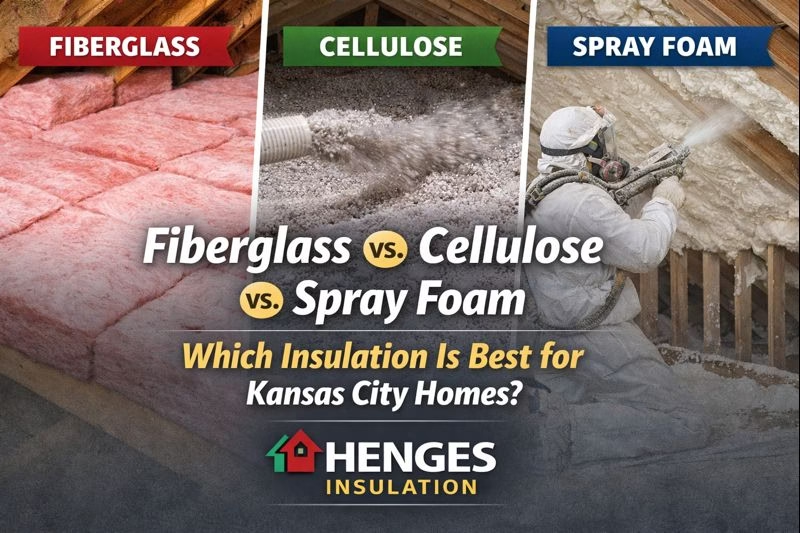
When Kansas City homeowners decide to upgrade insulation, one big question always comes up:
Fiberglass, cellulose, or spray foam — which one is best?
The truth is, there’s no single “best” insulation for every home. The right choice depends on:
Your home’s age and construction
The area being insulated (attic, walls, basement, crawl space)
Your budget and energy-efficiency goals
Kansas City’s hot summers and cold winters
This guide breaks down how each insulation type performs, where it works best, and how to choose the smartest option for your home.
Why Insulation Choice Matters in Kansas City
Kansas City’s climate puts insulation to the test:
Freezing winter temperatures and strong winds
Hot, humid summers with intense solar heat
Large seasonal temperature swings
Poor insulation leads to:
High energy bills
Hot upstairs rooms in summer
Cold drafts and uneven comfort in winter
Choosing the right insulation material can reduce heating and cooling costs by 15–25%, while dramatically improving indoor comfort.
Overview: Fiberglass vs. Cellulose vs. Spray Foam
| Insulation Type | Best For | Cost Range | Air Sealing | Lifespan |
|---|---|---|---|---|
| Fiberglass | Attics, walls | $ | Low–Moderate | 20–30 yrs |
| Cellulose | Attics, walls (retrofits) | $$ | Moderate | 20–30 yrs |
| Spray Foam | Basements, rim joists, air sealing | $$$ | Excellent | 25+ yrs |
Let’s look at each option in detail.
Fiberglass Insulation: Reliable and Cost-Effective
What It Is
Fiberglass insulation is made from fine glass fibers and is installed as batts or blown-in loose fill. It’s one of the most commonly used insulation materials in Kansas City homes.
Best Applications
Attic floors
Walls
Floors above garages
Pros
Affordable and widely available
Fire-resistant and moisture-resistant
Long lifespan with minimal maintenance
Quick installation
Cons
Doesn’t stop air leaks on its own
Performance drops if poorly installed or compressed
Best For
Homeowners looking for solid energy savings at a reasonable cost, especially for attic insulation upgrades.
Cellulose Insulation: Dense, Eco-Friendly Performance
What It Is
Cellulose insulation is made from recycled paper treated for fire and pest resistance. It’s blown into place, making it ideal for filling irregular cavities.
Best Applications
Attics
Existing walls (drill-and-fill)
Older homes with uneven framing
Pros
Excellent coverage with fewer gaps
Better air resistance than fiberglass
Eco-friendly and sustainable
Strong sound-dampening qualities
Cons
Can settle over time if not installed correctly
Sensitive to moisture if leaks are present
Best For
Older Kansas City homes where wall cavities are empty or attics need dense, even coverage without major demolition.
Spray Foam Insulation: Maximum Air Sealing Power
What It Is
Spray foam expands on application, sealing cracks, gaps, and penetrations while insulating at the same time. It comes in open-cell and closed-cell varieties.
Best Applications
Rim joists
Basements and crawl spaces
Attic penetrations and hard-to-seal areas
Pros
Superior air sealing and moisture resistance
Highest R-value per inch
Strengthens building envelope
Long-lasting performance
Cons
Higher upfront cost
Not always necessary for full attics or walls
Best For
Targeted use where air leakage is severe and maximum performance is needed — often combined with other insulation types.
Which Insulation Delivers the Best Energy Savings?
In most Kansas City homes, the best results come from a combination approach:
Blown-in fiberglass or cellulose for attic floors
Spray foam for sealing attic penetrations, rim joists, and crawl spaces
Professional air sealing before adding insulation
This strategy balances performance, cost, and long-term savings — rather than overspending where it’s not needed.
Cost vs. Value: What Should Homeowners Consider?
While spray foam offers the highest performance, it’s not always the best ROI when used everywhere. Fiberglass and cellulose often deliver the biggest energy savings per dollar spent, especially in attics.
A professional insulation assessment helps determine:
Where insulation is missing or underperforming
Which material works best in each area
How to maximize savings without unnecessary cost
Why Professional Guidance Makes the Difference
Choosing insulation based on price alone can lead to:
Gaps and uneven coverage
Moisture and ventilation issues
Lower-than-expected energy savings
An experienced insulation contractor evaluates your home as a system, ensuring insulation, air sealing, and ventilation work together.
That’s where Henges Insulation stands out — combining decades of local experience with proven insulation strategies tailored to Kansas City homes.
Conclusion: So… Which Insulation Is Best?
✔ Fiberglass – Best for affordability and attic upgrades
✔ Cellulose – Ideal for older homes and dense wall insulation
✔ Spray Foam – Perfect for air sealing problem areas
The right insulation depends on where it’s installed and how it’s used. For most Kansas City homeowners, a customized approach delivers the best comfort, efficiency, and long-term savings.
FAQs: Insulation Choices for Kansas City Homes
Which insulation is best for attics in Kansas City?
Blown-in fiberglass or cellulose combined with air sealing offers the best balance of cost and performance.
Is spray foam worth the extra cost?
Yes — when used strategically in areas with major air leakage, such as rim joists and attic penetrations.
Can insulation types be combined?
Absolutely. Many homes benefit from using multiple insulation types in different areas.
How long does insulation last?
Most insulation lasts 20–30 years or longer if properly installed and protected from moisture.
Does better insulation really lower energy bills?
Yes. Proper insulation can reduce heating and cooling costs by up to 25%.