If you’re looking for the most effective way to lower energy bills in your Kansas City home, attic insulation should be at the top of your list. While walls, basements, and crawl spaces all matter, the attic is where most homes lose (and gain) the most energy.
Because heat naturally rises, warm air escapes through poorly insulated attics in winter. In summer, the attic becomes a heat reservoir that pushes hot air into your living space. The result? Higher heating and cooling costs, uneven temperatures, and an overworked HVAC system.
Upgrading attic insulation consistently delivers the highest return on investment (ROI) compared to other insulation improvements — especially in Kansas City’s hot summers and cold winters.
Why Attics Are the #1 Source of Energy Loss
According to energy-efficiency research, up to 25–30% of a home’s energy loss occurs through the attic. Many Kansas City homes — especially those built before modern energy codes — suffer from:
- Thin or outdated insulation
- Settled or compressed insulation
- Gaps around attic hatches, ductwork, and wiring
- Poor air sealing
Even if your home has insulation, it may no longer meet today’s recommended R-value standards for this region.
Kansas City Climate: A Perfect Storm for Energy Waste
Kansas City experiences:
- Cold, windy winters
- Hot, humid summers
- Large seasonal temperature swings
Without proper attic insulation:
- Heated air escapes quickly in winter
- Solar heat builds up in summer
- HVAC systems run longer and harder
- Indoor comfort becomes inconsistent
Attic insulation acts as a thermal shield, keeping outdoor temperatures from taking over your home.
How Attic Insulation Lowers Energy Bills
Upgrading attic insulation reduces energy costs in several key ways:
1. Prevents Heat Loss in Winter
Insulation traps warm air inside, reducing furnace run time and preventing heat from escaping through the roof.
2. Blocks Heat Gain in Summer
Insulated attics slow heat transfer from the roof into living areas, keeping indoor temperatures cooler and lowering air conditioning usage.
3. Reduces HVAC Wear and Tear
When your home holds temperature better, your HVAC system cycles less frequently — extending its lifespan.
4. Stabilizes Indoor Temperatures
Rooms feel more consistent, eliminating hot upstairs bedrooms and cold drafts in winter.
Typical savings:
Homeowners often see 15–25% reductions in heating and cooling costs after improving attic insulation and air sealing.
Signs Your Attic Insulation Needs an Upgrade
Not sure if your attic insulation is underperforming? Common warning signs include:
- High or rising energy bills
- Hot second floors in summer
- Cold ceilings or drafts in winter
- Ice dams forming on the roof
- Uneven temperatures between floors
- Insulation depth below current recommendations
If your attic insulation is uneven, dirty, damp, or compressed, it’s likely no longer effective.
Best Attic Insulation Options for Kansas City Homes
Different homes require different solutions. The most effective attic insulation types include:
Blown-In Fiberglass
- Excellent coverage for attic floors
- Non-combustible and moisture-resistant
- Cost-effective and long-lasting
- Ideal for retrofits and upgrades
Cellulose Insulation
- Made from recycled materials
- Dense fill reduces air movement
- Strong sound-dampening qualities
- Great for older homes with irregular spaces
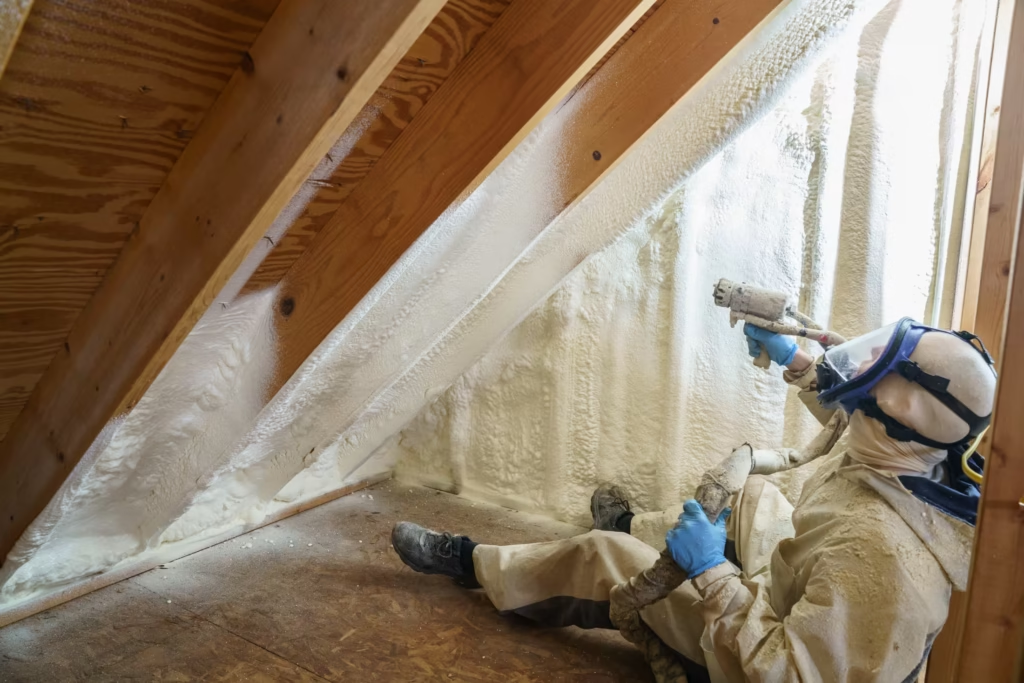
Spray Foam (Targeted Applications)
- Seals cracks and air leaks
- Ideal for rim joists and attic penetrations
- Higher upfront cost, but powerful air-sealing benefits
In many cases, blown-in insulation combined with professional air sealing delivers the best balance of performance and value.
Why Air Sealing Is Critical in the Attic
Insulation alone won’t perform properly if air leaks remain. Attics commonly leak air around:
- Recessed lighting
- Plumbing and electrical penetrations
- Duct chases
- Attic access hatches
Air sealing closes these gaps before insulation is added, preventing conditioned air from escaping and outdoor air from entering. Together, air sealing + insulation create a complete energy-saving system.
Attic Insulation ROI: One of the Smartest Home Upgrades
Compared to other home improvements, attic insulation offers:
- Fast payback period
- Lower monthly utility bills
- Improved comfort year-round
- Reduced moisture and condensation risks
- Increased home value and efficiency ratings
For many Kansas City homeowners, attic insulation pays for itself within a few years — and continues saving money for decades.
Why Professional Installation Matters
Improperly installed insulation can:
- Leave gaps and voids
- Block attic ventilation
- Trap moisture
- Underperform despite added material
Professional installers ensure:
- Proper insulation depth and coverage
- Correct R-values for the local climate
- Safe installation around wiring and vents
- Balanced ventilation and moisture control
Why Kansas City Homeowners Trust Henges Insulation
With more than 90 years of experience, Henges Insulation understands how Kansas City homes perform in real-world conditions. From attic insulation upgrades to whole-home energy solutions, every project is designed to maximize comfort, efficiency, and long-term savings.
📍 Address: 15640 S. Keeler St., Olathe, KS 66062
📞 Phone: +1 (913) 764-4600
📧 Email: info@hengesconsultation.com
🕒 Hours: Monday – Friday, 7:00 AM – 5:00 PM
FAQs About Attic Insulation in Kansas City
How much attic insulation do Kansas City homes need?
Most homes benefit from attic insulation levels equivalent to R-38 to R-49, depending on structure and age.
Can I add insulation on top of existing insulation?
Yes, in many cases. A professional inspection ensures compatibility and safety.
Is attic insulation worth it in newer homes?
Even newer homes often fall short of optimal insulation levels. An inspection can reveal improvement opportunities.
How long does attic insulation last?
Quality insulation can last 20–30 years, but performance depends on moisture exposure and installation quality.
Does attic insulation help with noise?
Yes. Insulation reduces outside noise and improves overall indoor comfort.